Summary: An underbite is a bite problem in which the lower front teeth end up in front of the upper ones. What helps depends on whether the cause is dental, skeletal, or both, and the options discussed range from braces and aligners to palatal expanders and jaw surgery. The free consultation at Breathing Wellness Orlando is a place to ask which options may apply.
Searching for underbite correction usually means you already know the bite is not lining up the way it should, and you want to understand what your options are. An underbite looks different from one person to the next, and what makes sense depends on the person.
This guide explains in general terms what an underbite is, how it is evaluated, which treatment approaches are commonly discussed, and how palatal expansion and orthodontic options fit in. It is general education, not a recommendation, and a Breathing Wellness Orlando consultation is how you find out which approach, if any, suits your situation.
What an Underbite Is
According to the American Association of Orthodontists (AAO), an underbite is a type of malocclusion, meaning the teeth and jaws do not line up as they should. In an underbite, the lower front teeth sit ahead of the upper front teeth, the reverse of the usual arrangement, and the lower jaw may sit in front of the upper jaw.
An underbite is one of several bite problems. The table below compares it with a typical bite and with an overbite.
| Bite | How It Looks |
|---|---|
| Typical bite | The upper and lower teeth overlap by a small amount |
| Underbite | The lower front teeth rest in front of the upper front teeth |
| Overbite | The upper front teeth cover the lower teeth too much vertically |
Underbites can come from the position of the teeth, from how the jaws are shaped and grow, or from both. Genetics, differences in jaw development, and childhood habits can all play a part, and one factor that is named is a lower jaw that grows more than expected.
An underbite is also more than a matter of how the smile looks, since it can affect everyday function.
How an Underbite Is Evaluated
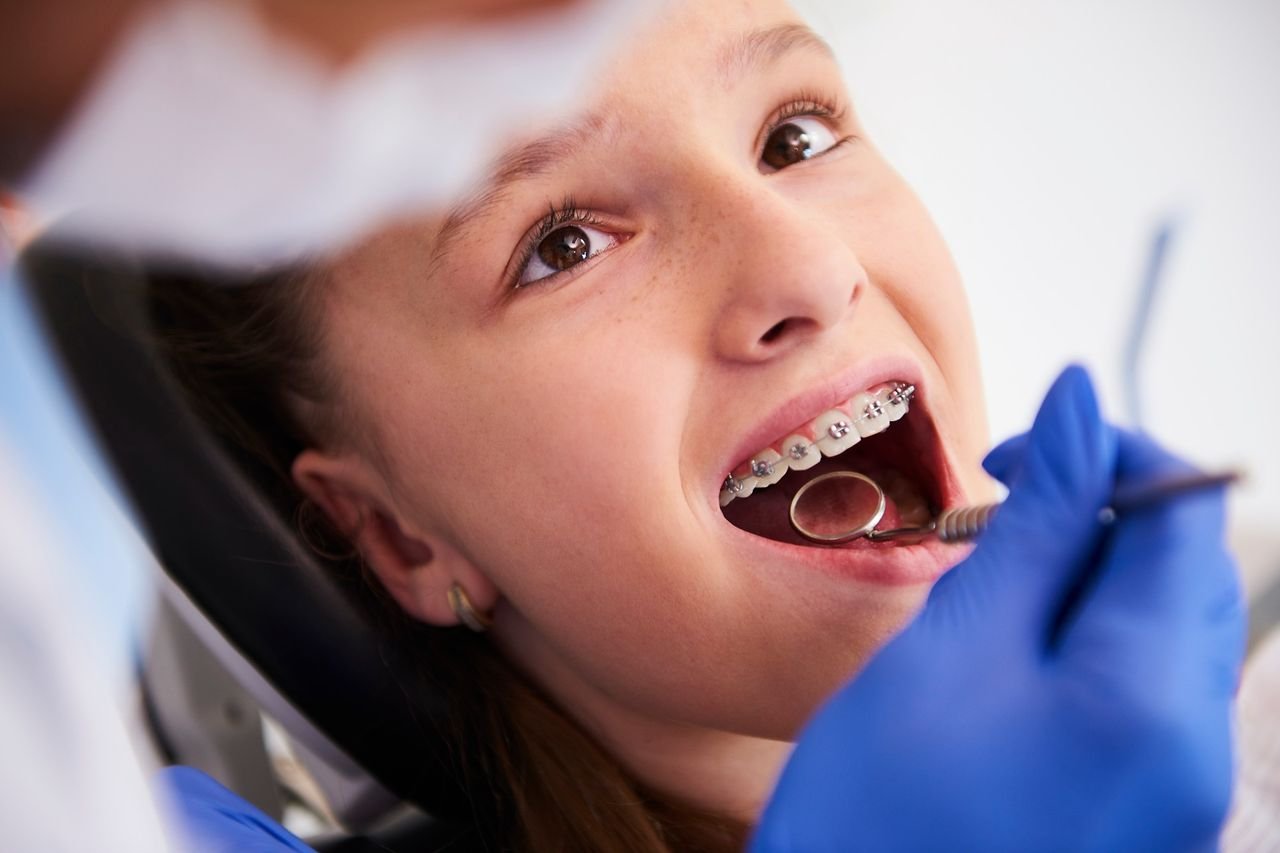
An orthodontic evaluation looks at the whole picture rather than the teeth alone: the teeth, the bite, jaw position, and facial structure together. That combined view matters because an underbite may trace back to the teeth, the jaws, or a mix of the two, and the position of the teeth is only part of what gets looked at.
The AAO recommends a child’s first orthodontic evaluation by age 7. That is a guideline about timing, not a statement about what any one child needs.
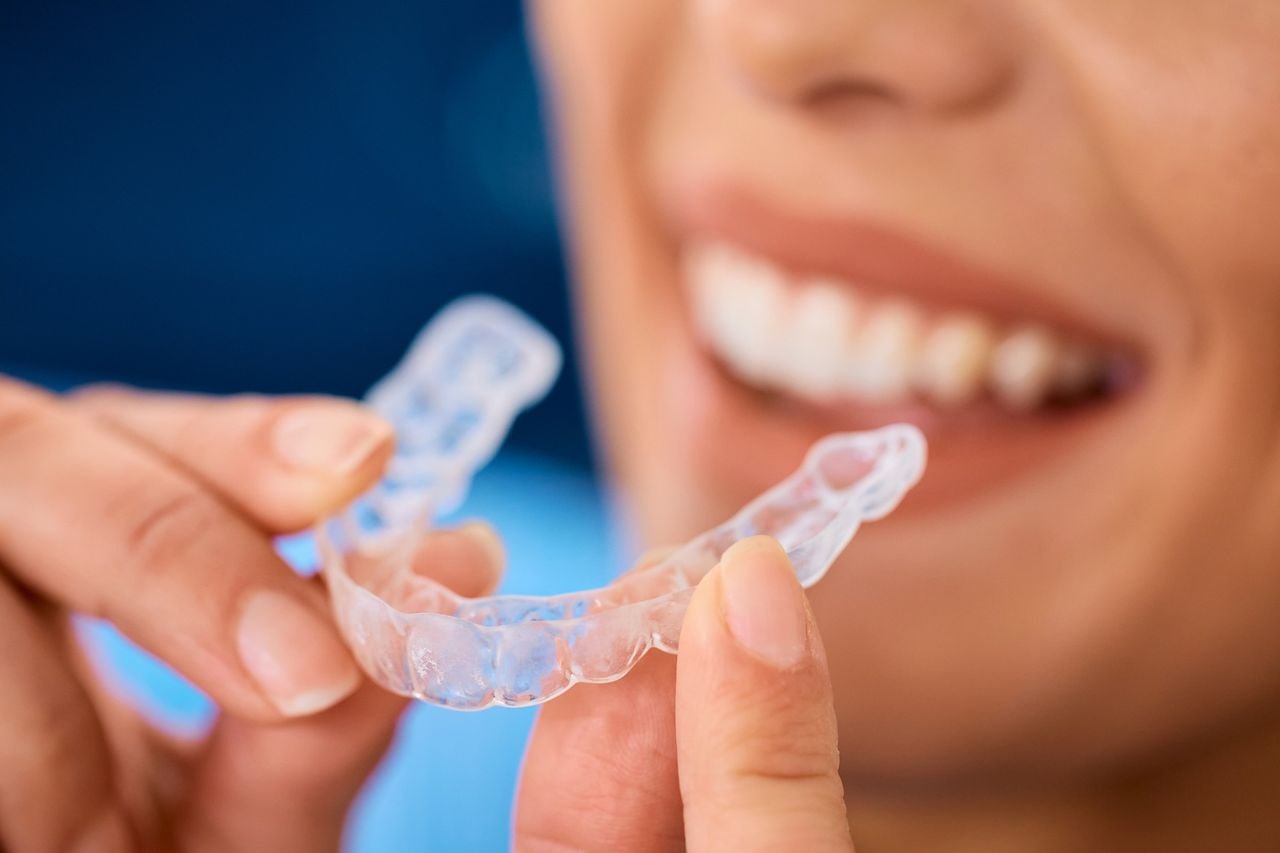
Treatment options that are commonly discussed for underbites include braces, clear aligners, palatal expanders, and jaw surgery. Which of these, if any, applies depends on what is behind the underbite and on the person.
Worth knowing: Because an underbite can involve the teeth, the jaws, or both, two people with similar-looking bites can need different conversations. That is why a conversation with Breathing Wellness Orlando should come before any decision about options.
Palatal Expansion at Breathing Wellness Orlando
Breathing Wellness Orlando offers palatal expansion for adults and for children. The practice describes it as widening and expanding the upper jaw to create more space for teeth, using a removable DNA device for adults and fixed or removable expanders for children, matched to each child's needs.
Palatal expanders are among the options discussed for underbites in general, so it is reasonable to ask Breathing Wellness Orlando whether palatal expansion could apply to you. Whether it fits a particular underbite is something a consultation determines, not something to assume from a general description.
Wondering whether your bite is something to look into? Request your free consultation with Breathing Wellness Orlando.
Orthodontic Options at Breathing Wellness Orlando
Breathing Wellness Orlando describes its orthodontic and myofunctional approaches on its Traditional vs. Myofunctional page. The practice describes three ways it straightens teeth: the Vivos DNA oral appliance, Invisalign clear aligners, and traditional wire braces. The table below summarizes them using the practice’s own descriptions.
| Option | How the Practice Describes It |
|---|---|
| Vivos DNA oral appliance | A removable appliance worn around 12 to 16 hours daily over roughly 24 months to develop the jaws and airway |
| Clear aligners (Invisalign) | Removable clear trays changed every 7 to 10 days to guide the teeth into place |
| Traditional braces | Wire braces for more complex cases that call for precise, fixed tooth movement |
These descriptions are general. Which option, if any, applies to a particular bite is a question for a consultation with Breathing Wellness Orlando.
Braces and clear aligners are the options most people already know. Myofunctional approaches work differently, focusing on how the muscles of the mouth function, and understanding that range can help you ask better questions even if you do not yet know which approach interests you.
See Our Patient Testimonial
A patient shares their Vivos treatment experience at Breathing Wellness, in their own words.
Where to Start
If you are looking into an underbite for yourself or for a child, the most useful first step is a conversation rather than choosing an option in advance. Breathing Wellness Orlando offers a free consultation, and the questions in the table below can help you get more out of it.
| Question to Bring | Why It Matters |
|---|---|
| Is this mainly about my teeth, my jaws, or both? | An evaluation considers the teeth, bite, jaw position, and face as a whole |
| Which of the practice's options, if any, apply to my situation? | The practice describes several, and fit depends on the individual |
| If this is for my child, is now a good time to be evaluated? | General guidance points to age 7 for a child's first evaluation |
If you are not sure where to begin, contacting Breathing Wellness Orlando is a reasonable first step. For younger patients, the practice's Children page describes early guidance of the jaws while a child is still growing.