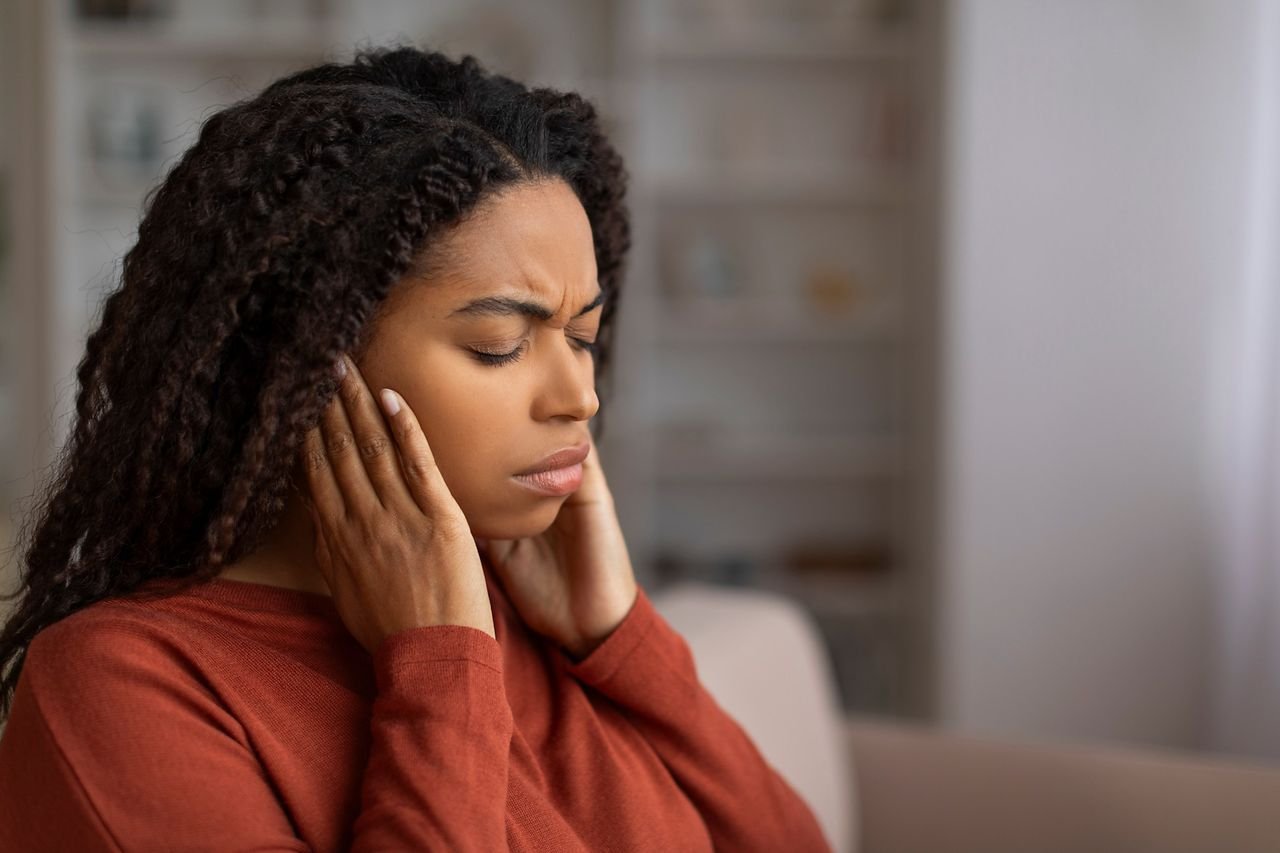
Summary: TMJ headaches describe head pain that occurs alongside a temporomandibular disorder (TMD), a label that covers more than 30 conditions of the jaw joint and the muscles that move the jaw. Headaches tied to a TMD are one of its recognized categories, but jaw pain does not always come from a TMD, so the free facial pain consultation at Breathing Wellness Orlando makes a sensible starting point.
Headaches are common, and they have many possible causes, which makes it easy to overlook the jaw as one of them. For some people, headaches show up alongside jaw soreness, stiffness, or painful clicking, and that combination is worth paying attention to.
This guide explains in general terms how the jaw and headaches can be connected, which symptoms are associated with TMD, and when it makes sense to have things looked at. It is general education, not a diagnosis, since headaches can come from many sources, and a Breathing Wellness Orlando provider is the right source for what applies to you.
What TMJ and TMD Mean
People often use TMJ and TMD as if they meant the same thing, but the National Institute of Dental and Craniofacial Research (NIDCR) separates them. TMJ is the jaw joint itself, and TMD is the umbrella term for the disorders that involve that joint and the muscles used to move the jaw. The table below summarizes the difference.
| Term | What It Refers To |
|---|---|
| TMJ | The temporomandibular joint itself, the jaw joint |
| TMD | A group of more than 30 conditions that cause pain or limit movement in the joint itself and in the muscles around it |
TMDs fall into three categories: disorders of the joints, disorders of the chewing muscles, and headaches associated with a TMD. That last category is the reason headaches belong in a conversation about the jaw.
The jaw sits close to the head, neck, and face. Pain that spreads into the face or neck can be one of the signs that points toward a TMD, though how it plays out varies from person to person.

How Jaw Problems and Headaches Connect
Jaw problems and headaches can show up together. TMDs can occur on their own or alongside other conditions such as headaches, back pain, and sleep problems. The most common TMD symptom is pain in the jaw joint or the muscles used for chewing, and jaw stiffness and locking are others.
Diagnosis can be difficult, since TMDs have a range of causes and symptoms that look like those of other conditions, and the exact cause is often unclear. In practice, that means a headache alone does not tell you whether the jaw is involved, which is why a consultation with Breathing Wellness Orlando is more useful than guessing.
Worth knowing: Headaches have many possible causes, and a TMD is only one of them. The point is not to assume your headaches come from your jaw, but to mention jaw symptoms and headaches together to Breathing Wellness Orlando so they can be looked at as a whole.
Facial Pain Consultations at Breathing Wellness Orlando
The facial pain page of Breathing Wellness Orlando lists tension headaches among the symptoms of TMD, alongside jaw clicking, muscle spasms, and clenching, and the practice offers a free facial pain consultation. That consultation gives you a place to bring up headaches and jaw symptoms together.
To learn more about this area of care, see the practice's facial pain page.
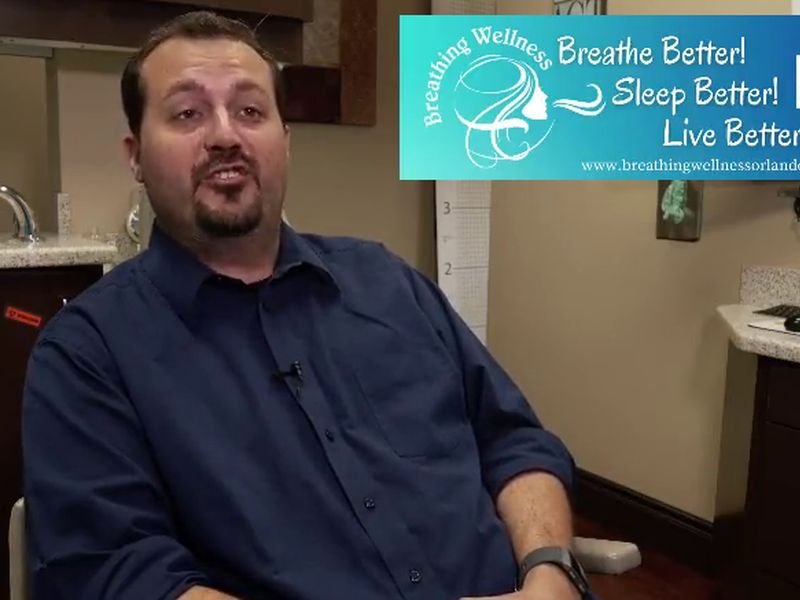
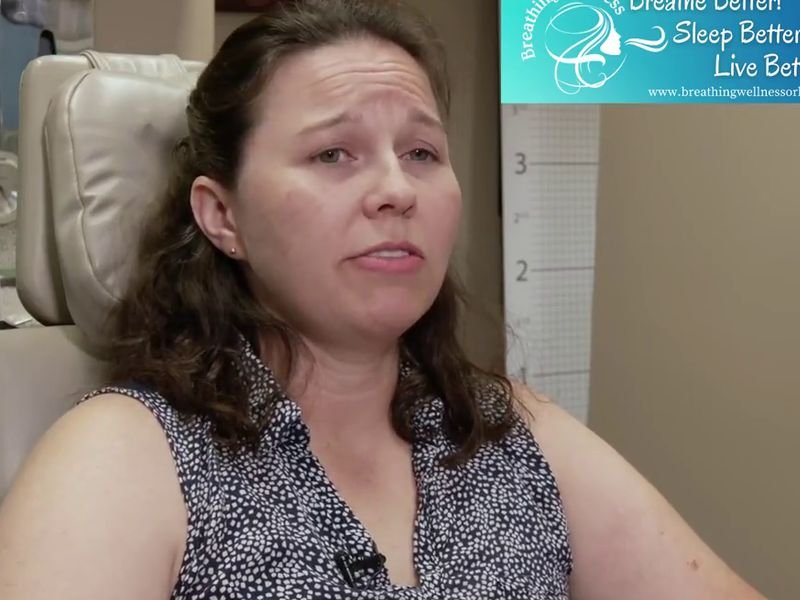
See Our Patient Testimonial
A Breathing Wellness patient shares how airway-focused care for TMJ changed their daily life.
Headaches and jaw discomfort together? Request your free consultation with Breathing Wellness Orlando.
Related Symptoms Listed for TMD
Headaches rarely show up in isolation. The facial pain page lists a number of symptoms alongside TMD, and the table below summarizes several of them so you can see which ones you might be experiencing together with headaches. Each one is worth raising with Breathing Wellness Orlando.
| Symptom | How It Is Described |
|---|---|
| Clicking and popping | Clicking sounds when the mouth opens or closes |
| Muscle spasms | Involuntary spasms in the muscles of the jaw and face |
| Tension headaches | Recurring headaches tied to tension in the jaw and surrounding muscles |
| Clenching and bruxism | Clenching and grinding of the teeth, often during sleep |
| Restricted opening | A limited range of mouth opening |
| Forward head posture | Posture changes that can lead to neck, shoulder, and back pain |
If more than one of these sounds familiar, the full list of symptoms is available on the facial pain page.
It is easy to mention only the symptom that bothers you most, such as headaches, and leave out jaw clicking, stiffness, or neck tension because they seem unrelated. Bringing everything up together, even small details, gives Breathing Wellness Orlando a more complete picture to work from.
When It Might Be Worth Getting Checked
There is no single rule for when headaches and jaw symptoms become worth a visit, but a few everyday observations can help you decide. Jaw pain, stiffness, limited movement or locking, and painful clicking are all symptoms associated with TMD, and the table below pairs them with other signs worth mentioning.
| What You Notice | Why It Is Worth Mentioning |
|---|---|
| Headaches that come with jaw soreness or stiffness | Jaw pain and stiffness are among the common TMD symptoms |
| Painful clicking, popping, or locking in the jaw joint | These are associated with TMD, although clicking without pain is generally considered normal |
| Headaches along with neck, shoulder, or back discomfort | Back pain can occur alongside a TMD, and the practice's facial pain page ties neck, shoulder, and back pain to posture changes |
| Headaches that keep coming back without a clear cause | Worth having looked at, since many things can cause them |
If any of these sound familiar, contacting Breathing Wellness Orlando is a reasonable first step rather than trying to work out the cause on your own.