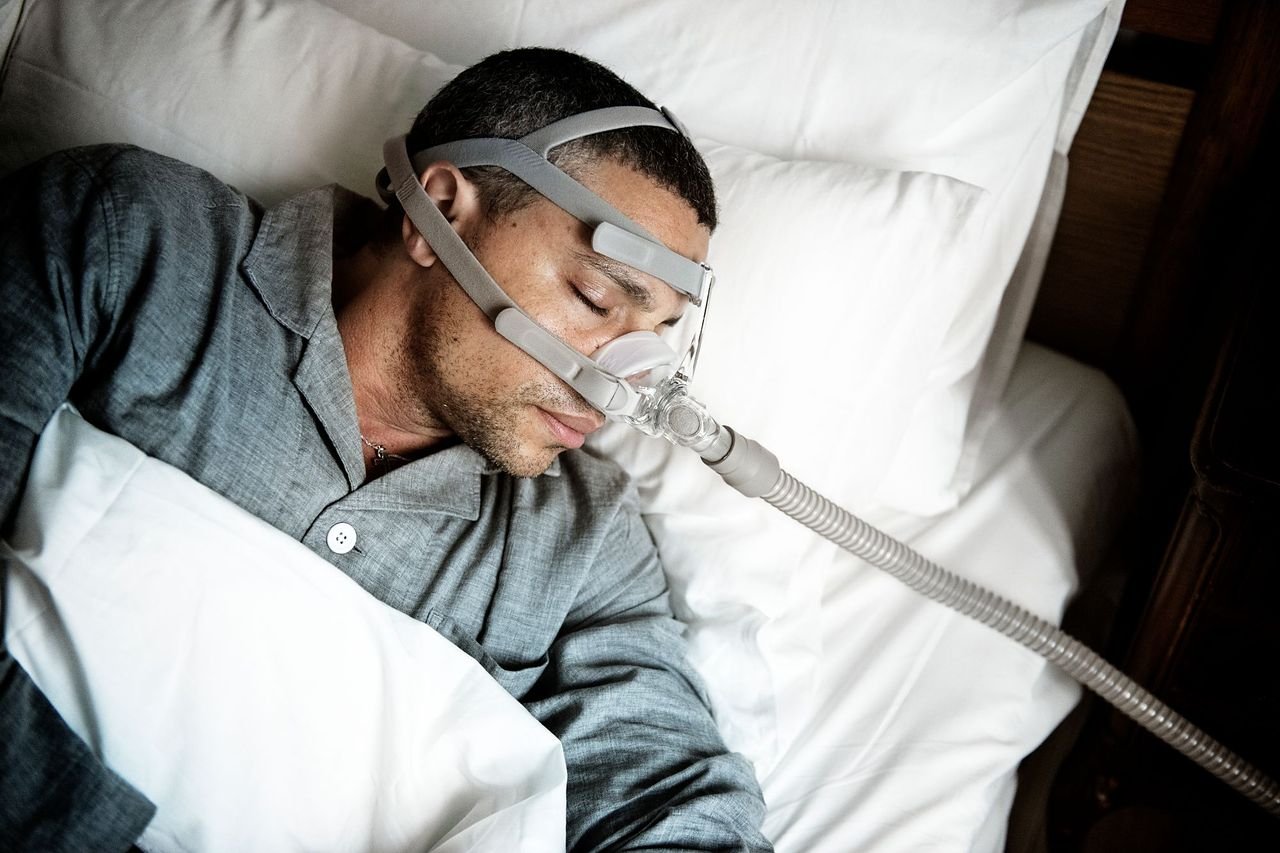
Summary: Anyone can have obstructive sleep apnea, but certain factors raise the risk, including excess weight, age, family history, a larger neck, airway anatomy such as large tonsils, and alcohol use. Having risk factors is not a diagnosis. Breathing Wellness Orlando provides a free consultation to talk through your risk.
Sleep apnea is easy to miss, partly because it happens while you are asleep and partly because its risk factors are common. Plenty of people have one or more of them without ever having sleep apnea, and some people with sleep apnea do not fit the usual picture at all.
This guide explains in general terms what raises the risk of obstructive sleep apnea, why risk factors are not the same as a diagnosis, and where Breathing Wellness Orlando's free consultation and self-screener fit in. It is general education, and a provider's evaluation is what shows whether sleep apnea applies to you.
What Obstructive Sleep Apnea Is
According to the American Academy of Sleep Medicine, obstructive sleep apnea is a common and serious sleep disorder in which the airway repeatedly becomes blocked during sleep, limiting airflow to the lungs. The tongue and soft palate can block the airway, which interrupts normal breathing while you sleep.
That is why risk factors matter: they are the things that make the airway narrow or block more easily. People of any age, including slim people, can develop it, so no single trait settles the question.
In everyday terms, the shape and size of the airway, the tone of the muscles around it, and anything that adds to the narrowing all play a part. Risk factors are the things that make that narrowing more likely.
Common Risk Factors
According to the National Heart, Lung, and Blood Institute, obstructive sleep apnea is linked to the size and shape of the upper airway, body weight, age, family history, and habits such as alcohol use. The table below summarizes these and a few more factors. Some, such as age or family history, cannot be changed.
| Risk Factor | How It Relates to Sleep Apnea |
|---|---|
| Excess weight | Fat deposits around the neck can narrow the upper airway |
| Age | Risk climbs with age, though sleep apnea can occur at any age |
| Airway anatomy | Large tonsils, a large tongue, or a recessed jaw can narrow the airway or let the tongue block it |
| Family history | Inherited traits, such as the shape of the face and jaw, can raise the risk when a family member has sleep apnea |
| Sex and menopause | Sleep apnea is more common in men, and in women the risk rises with menopause |
| Nasal airway problems | A deviated septum or nasal polyps can narrow the airway and raise the risk |
| Alcohol and sedatives | Alcohol and sedating medicines can relax throat muscles and interfere with waking from sleep |
| Neck circumference | A neck of 17 inches or more in men, or 16 inches or more in women, is linked to higher risk |
Several of these can show up together, and the list is a starting point for a conversation, not a scorecard.
It can be easy to read a list like this and either panic or dismiss it. Neither reaction is quite right. The list is there to help you decide whether a conversation is worth having, not to tell you what the answer will be.
Risk Factors Are Not a Diagnosis
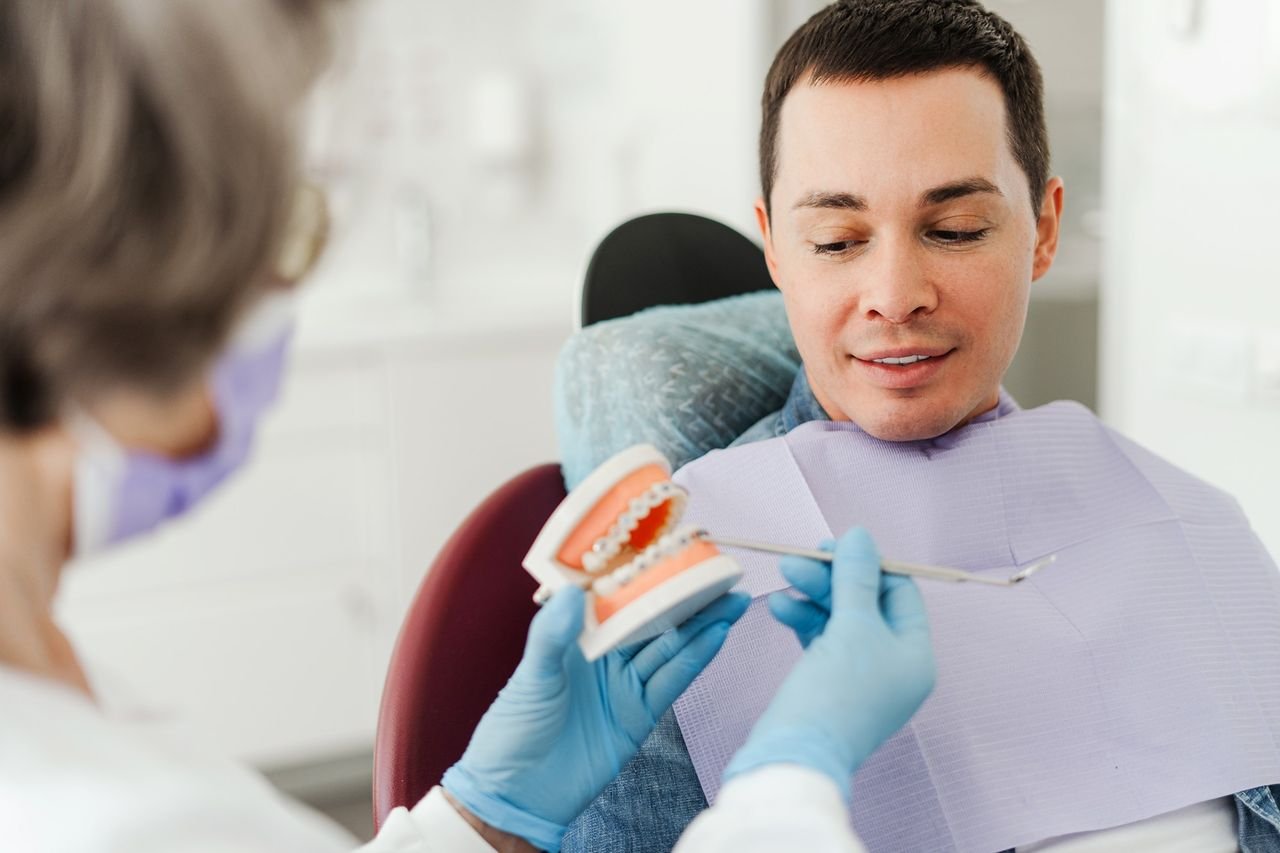
A risk factor means the chance is higher, not that the condition is present. The absence of risk factors does not rule sleep apnea out either, since body size and age do not decide who gets it. A provider makes the diagnosis after testing, such as an overnight sleep study or a home sleep apnea test.
Worth knowing: Sleep apnea is a medical diagnosis. Counting your own risk factors cannot tell you whether you have it, and an evaluation is the only reliable way to find out.
Screening and Free Consultation at Breathing Wellness Orlando
Breathing Wellness Orlando offers an adult self-screener, a quick online questionnaire of eight yes/no questions that the practice describes as a screening tool, not a diagnosis. It also offers a free consultation and non-surgical care for sleep apnea and snoring.
If several of the risk factors above sound familiar, that is a reasonable moment to learn more. The screener is a starting point, and what applies to you is something to discuss during the consultation.
Curious where you stand? Request your free consultation with Breathing Wellness Orlando.
Going in with a few details ready makes the conversation more useful. The table below summarizes what is worth mentioning.
| Worth Mentioning | Why It Helps |
|---|---|
| Whether sleep apnea runs in your family | Family history is one of the recognized risk factors |
| Any nasal blockage, polyps, or a deviated septum | These are nasal airway problems, one of the factors in the risk list |
| Alcohol, sleeping pills, or sedating medicines | They can interfere with the ability to wake from sleep |
| What you or a partner have noticed during sleep | Gives the practice a fuller picture than risk factors alone |
Some people hesitate to look into sleep apnea because they assume it only affects a certain kind of person. Because the condition is not limited to one body type or age group, the risk factors are a guide, not a boundary. A related article looks at sleep apnea and memory loss and what the research shows.
Sleep, Breathing, and Airway Consultations for Adults
Several risk factors involve the airway, which is why an airway-focused conversation can be useful when you are weighing next steps. Breathing Wellness Orlando offers adults a free sleep, breathing, and airway consultation that begins with understanding the airway, with no pressure and no cost.
If you are not sure where to start, contacting Breathing Wellness Orlando is a reasonable first step.
See Our Patient Testimonial
A patient shares their journey back to sleeping and breathing better.